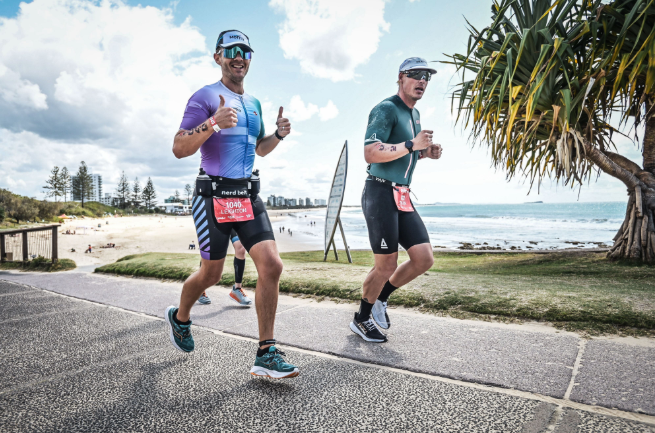
Running a faster 5K is a goal many athletes share—from beginners chasing their first sub-30 finish to seasoned competitors aiming to shave seconds off their PR. How to Run Faster for a 5K: Pace Targets, Training Sessions, and Race Strategy is more than just practicing speed; it’s about training smarter and developing a complete approach that blends technique, fitness, nutrition, and mindset. This guide breaks everything down step by step to help you unlock your fastest race yet.
Understanding the Basics of 5K Speed Improvement
Why 5K Racing Is Unique
The 5K is fast, demanding, and intense. Unlike longer distances, you can’t rely solely on endurance—speed and efficiency matter just as much. The ideal 5K runner blends aerobic base fitness with explosive anaerobic power.
See also: Choosing Aged Care Homes for Couples: What to Consider
How Pace Impacts Performance
Your pace determines how efficiently you can distribute energy across the race. Too fast early on and you risk burnout; too slow and you miss valuable time. Mastering pacing is essential for peak performance.
Setting Realistic Pace Targets for a Faster 5K
Determining Your Baseline Pace
Start by timing a one-mile or one-kilometer test run at maximum effort. This gives you a foundation to build a realistic 5K goal pace.
Using Pace Calculators to Find Goal Targets
Online pace calculators help convert current performance into actionable race targets. They estimate your sustainable pace based on your existing fitness.
Breaking Down Pace Per Mile and Per Kilometer
For example, a 25-minute 5K requires:
- 8:03 per mile, or
- 5:00 per kilometer
Understanding your splits makes training more structured and predictable.
Building a Strong Aerobic Foundation
Importance of Easy Runs
Easy runs develop your aerobic capacity without straining your body. These sessions should feel comfortable and conversational.
Weekly Mileage Structure
A good rule of thumb is increasing mileage by no more than 10% weekly to avoid injury.
How Aerobic Fitness Boosts 5K Speed
A strong aerobic base improves oxygen delivery, reduces fatigue, and enhances recovery—essential for high-intensity sessions.
Essential Training Sessions to Run a Faster 5K
Interval Workouts for Speed
Intervals train your body to tolerate and clear lactate more effectively. Examples include:
- 6×400m at 5K pace
- 4×800m slightly faster than race pace
Tempo Runs for Stamina
Tempo runs teach you to hold effort close to your lactate threshold, building stamina and mental toughness.
Hill Repeats for Power
Hills develop strength, speed, and running economy simultaneously.
Long Runs for Endurance
Even for a 5K, long runs improve cardiovascular fitness and help your body handle higher weekly mileage.
Strength Training and Mobility for Speed Gains
Key Runner-Specific Strength Exercises
- Squats
- Lunges
- Glute bridges
- Calf raises
A strong body moves more efficiently and is less prone to injury.
Importance of Mobility and Flexibility
Daily mobility reduces stiffness and enhances stride length and range of motion.
Injury-Prevention Strategies
Warmups, cooldowns, and dynamic stretching play critical roles in staying healthy.
Creating a Weekly Training Plan for 5K Success
Sample 4-Week Training Plan
| Day | Workout |
|---|---|
| Monday | Easy run + mobility |
| Tuesday | Intervals |
| Wednesday | Cross-train or rest |
| Thursday | Tempo run |
| Friday | Easy run |
| Saturday | Long run |
| Sunday | Rest |
Adjusting Based on Fitness Level
Beginners may reduce interval volume, while advanced runners can increase intensity or introduce progressions.
Nutrition and Hydration for Faster 5K Runs
Daily Runner Nutrition Basics
Focus on balanced meals containing carbohydrates, healthy fats, and lean proteins.
Pre-Run Fueling
A light carb-rich snack 60–90 minutes before running boosts energy without digestive discomfort.
Hydration Strategies
Drink consistently throughout the day; avoid overhydrating right before your run.
Mastering Race Strategy for a Fast 5K
Ideal Race Pacing
Start slightly slower than goal pace, settle into rhythm by the first kilometer, and push harder in the second half.
Managing the Middle Mile
This is often the hardest part of the race. Maintain focus and avoid slowing down.
Finishing Strong With a Kick
Use saved energy for a strong final sprint.
Mental Preparation and Confidence Building
Overcoming Race-Day Nerves
Deep breathing and positive self-talk help override anxiety.
Visualization Techniques
Picture yourself running strong, maintaining form, and crossing the finish with confidence.
Tracking Progress and Adjusting Your Training
Using Technology and Logs
Apps and watches track pace trends, heart rate, and improvements.
Identifying Signs of Improvement
Look for lower perceived effort at the same pace or faster finishes without burnout.
Common Mistakes Runners Make When Trying to Improve 5K Speed
Overtraining
Pushing too hard too often leads to fatigue and stagnation.
Ignoring Recovery
Sleep and rest are training multipliers—not optional luxuries.
Poor Pacing Habits
Inconsistent pacing can sabotage even the best training.
FAQs About How to Run Faster for a 5K
1. How long does it take to improve my 5K time?
Most runners see improvement in 4–8 weeks with consistent training.
2. How many days a week should I train for a 5K?
Three to five days per week is ideal for balanced training and recovery.
3. Is strength training necessary to run faster?
Yes—strong muscles improve speed, stability, and injury resistance.
4. What’s the best pre-race meal?
Light carbs like toast, oatmeal, or a banana are great options.
5. Should I run every day to get faster?
No. Rest days help your muscles repair and grow stronger.
6. Can beginners follow these tips too?
Absolutely. Just scale down intensity and build gradually.
For additional training resources, check out:
👉 https://www.runnersworld.com/training/
Conclusion
Improving your 5K time is completely achievable with the right strategy. By understanding pacing, incorporating targeted workouts, fueling properly, and applying smart race-day tactics, you can unlock new speed and confidence. Whether your goal is to break 30 minutes or chase a new PR, these principles will help you run stronger, smoother, and faster.